
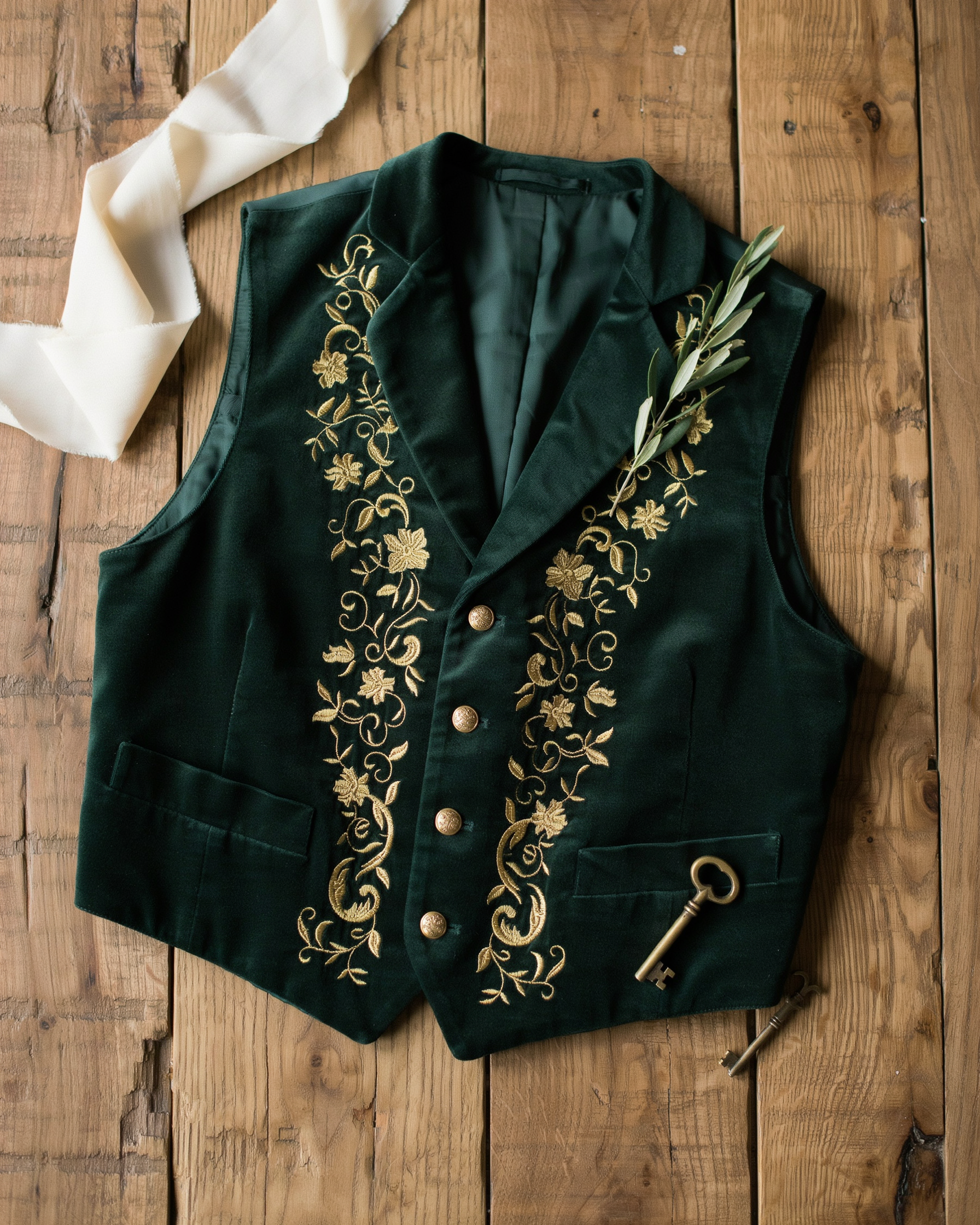
Fit, fabric, and color decide the waistcoat before anything else. If you're wondering how to choose waistcoat for wedding events, start with the fit: the waistcoat should sit close to your torso without pulling at the buttons, match the formality of your shalwar kameez or sherwani, and complement the wedding's palette rather than compete with it. A waistcoat is a sleeveless, buttoned garment worn over a shirt, cut to end at the waistline, and in South Asian formalwear it bridges the gap between the kurta and the outer layer. Raja Jee Garments designs wedding waistcoats with that balance in mind, so the piece feels tailored rather than borrowed. This guide covers the practical steps for grooms, groomsmen, and guests, from measuring your chest to choosing between a single-breasted and double-breasted front. We'll keep the advice specific to Pakistani and diaspora weddings, where the waistcoat often carries as much visual weight as the shalwar kameez itself.
Key Takeaways
- Fit beats everything: a waistcoat should hug your torso without pulling at the buttons, and the shoulder seam must sit exactly on your shoulder edge.
- For a Pakistani wedding, match the waistcoat fabric weight to the season, raw silk and jamawar for winter, cotton blends and linen for summer.
- Color is a decision, not an afterthought: ivory, gold, and deep jewel tones read formal, while a contrasting waistcoat over a shalwar kameez adds depth.
- Single-breasted waistcoats flatter most body types and stay classic; double-breasted cuts work best on taller, slimmer frames.
- Check the length: the waistcoat should end just below the trouser waistband, never cover the belt or ride up when you sit.
Fit First: Why the Waistcoat Must Hug Your Frame
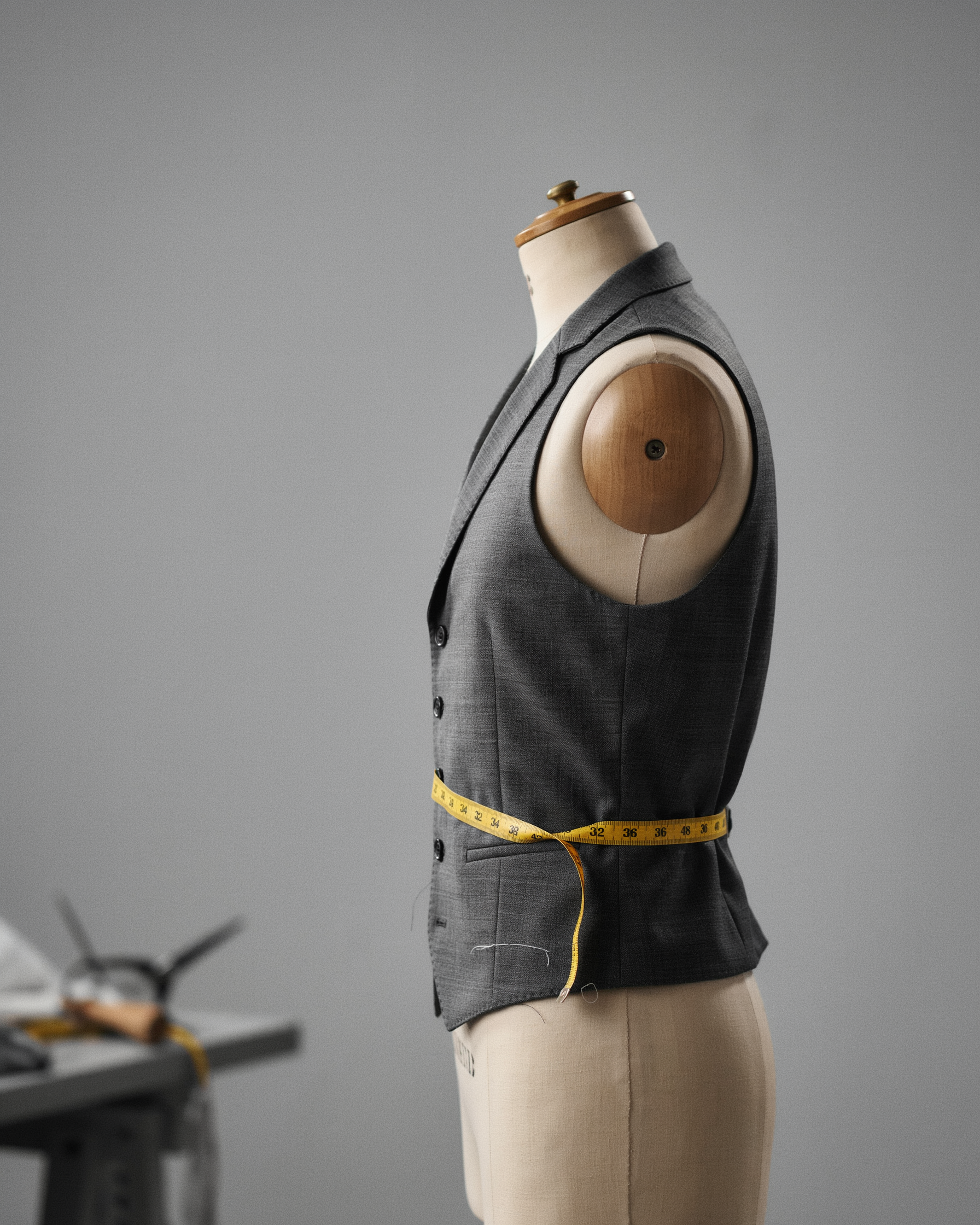
A waistcoat that fits well does more than look sharp. It keeps the front panels flat when you sit, stops the fabric from straining at the buttons, and lets the sherwani or shalwar kameez underneath drape without bunching. The shoulders are the first checkpoint. The seam should sit exactly on the edge of your shoulder bone, not sliding down the arm or creeping up toward the neck. If the shoulder seam drifts past that bone by more than a finger's width, the whole garment hangs wrong and no amount of back adjustment will save it.
Across the chest, the waistcoat should close without strain. You want the two front edges to meet cleanly when buttoned, with no gaping at the top button and no diagonal pull lines running from the buttons toward the armholes. A common mistake is sizing up for comfort, which leaves excess fabric that folds and wrinkles under the arms. A waistcoat is meant to be the closest-fitting layer of a traditional outfit, so a snug but not tight chest is the target. At the waist, the taper matters just as much. The side seams should follow your natural torso line, nipping in slightly rather than hanging straight like a box. Most quality Pakistani wedding waistcoats include a back adjuster, usually a strap and buckle or a pair of side tabs, and that adjuster is not decorative. Use it to take in up to about two inches of slack at the small of the back so the front stays smooth.
Length is another detail people get wrong. The waistcoat should end just below the waistband of your shalwar or trousers, covering the belt line by roughly an inch. A waistcoat that rides higher exposes the shirt or kameez at the sides when you move, and one that runs too long bunches when you sit. Button stance follows from the length. On a standard single-breasted waistcoat, the lowest button sits right at the bottom edge, and the top button lands around the sternum. Leave the bottom button undone if the cut allows it, a small detail that keeps the front from pulling when you stand from a chair. The Size Guide on our site walks through each of these measurements with a tape measure, and it is worth checking before you order, because a waistcoat that fits the shoulders and chest but needs a small waist adjustment is far easier to work with than one that is wrong at the top.
Fabric Choices for Pakistani Wedding Waistcoats
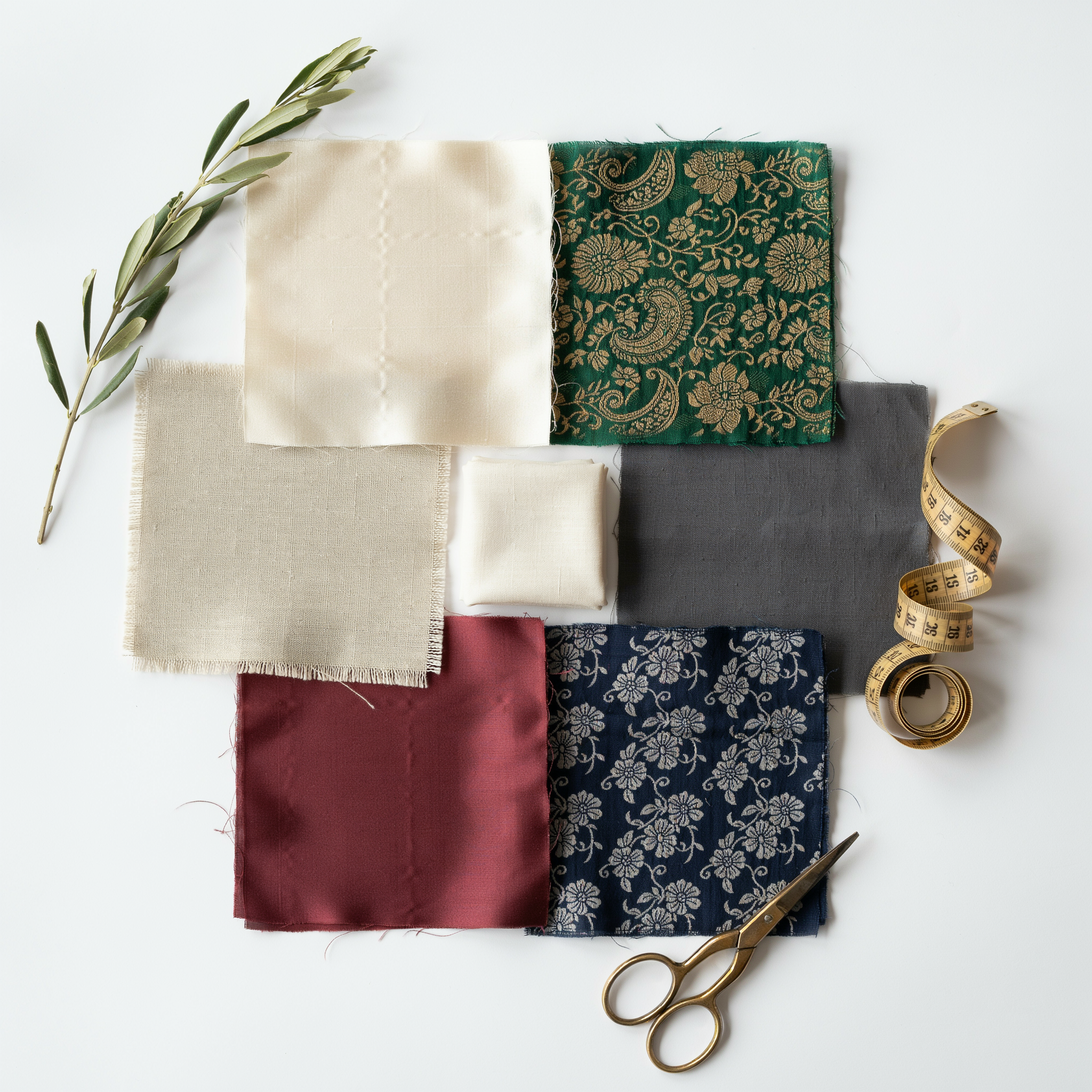
Fabric decides how the waistcoat drapes, how hot you feel after three hours of photographs, and whether the piece still looks sharp at the last dance. For a Pakistani wedding, the practical range narrows to four materials: raw silk, jamawar, cotton, and velvet. Each behaves differently in a crowded hall or an open lawn.
Raw silk is the safest all-rounder. It holds structure well, catches light without looking shiny, and breathes enough for most indoor venues. A raw silk waistcoat pairs cleanly with a sherwani or a shalwar kameez, and it survives a full day of sitting, standing, and hugging relatives. We stock several raw silk options, including the Royal Blue Pakistani Waistcoat for Men | Traditional Formal Wear, which works for both the groom's party and close family.
Jamawar is the heavier, more ornate choice. The woven patterns are part of the fabric itself, not printed on top, so the waistcoat reads as formal and expensive. Jamawar suits winter weddings and evening events. It traps heat, which is a problem in a packed summer marquee, but a genuine advantage when the reception runs past midnight in November or December.
Cotton is the practical pick for summer and outdoor venues. It is lighter than silk, absorbs sweat better, and costs less, though it wrinkles faster and looks less formal. If the wedding is a daytime lawn event in May or June, a cotton waistcoat keeps you comfortable while everyone else is adjusting their collars. Our Light Green Waistcoat for Men, Traditional Wedding Vest is a good example of a cotton blend that still holds its shape through a long afternoon.
Velvet is the statement fabric. It photographs beautifully under warm lighting and suits winter evening receptions, but it is unforgiving in heat and shows dust quickly at outdoor venues. Reserve velvet for the groom or the father of the bride, not for every guest. A velvet waistcoat over a plain shalwar kameez is enough on its own; you do not need extra embroidery competing with the pile.
Match the fabric to the venue before you match it to the outfit. Indoor, air-conditioned halls forgive silk and velvet. Open lawns and daytime heat reward cotton and lighter raw silk. The wrong fabric is the most common reason a waistcoat looks great in the shop and feels wrong by the second hour of the event.
Color Rules: Matching the Waistcoat to the Sherwani or Shalwar Kameez
Color is where most grooms either nail the look or quietly miss it. The safest starting point for a men's wedding waistcoat is a tone that sits one or two shades away from the sherwani, not an exact match and not a loud contrast. A deep navy sherwani pairs beautifully with a charcoal or slate waistcoat, while a cream shalwar kameez opens up warmer options like Brown Waistcoat for Men, Traditional Wedding Vest in a rich cognac or chestnut.
When you want contrast, keep it deliberate. A black sherwani with a Royal Blue Pakistani Waistcoat for Men | Traditional Formal Wear reads sharp and intentional, especially for evening receptions. Daytime events call for softer contrast: ivory, sage, or dusty rose against a neutral base. Avoid pairing two saturated colors at full strength, like emerald with royal blue, because the eye has nowhere to rest.
Time of day changes the palette. Morning and afternoon ceremonies favor lighter, muted tones: sand, dove grey, soft olive. Evening events can carry deeper jewel tones, burgundy, forest green, midnight blue, without looking heavy. If you are a guest rather than the groom, step back from the strongest colors and let the wedding party hold the visual center.
One practical test: hold the waistcoat fabric next to the sherwani or kameez under natural light, not store lighting. Fluorescent bulbs skew blues and greens, so a match made in the shop can fall apart at the venue. When in doubt, choose a neutral waistcoat in charcoal, taupe, or ivory. It works with nearly every outfit and keeps the focus on the overall silhouette.
Waistcoat Style Guide: Single-Breasted vs Double-Breasted
A waistcoat style guide starts with the front closure, because that single detail changes how the whole outfit sits on your body. Single-breasted waistcoats have one column of buttons, usually five or six, and a V-shaped opening that shows more of the shirt or kurta underneath. Double-breasted waistcoats have two parallel columns of buttons and a wrap front that overlaps, so they cover more of the chest and create a broader, more formal silhouette.
At Pakistani weddings, single-breasted waistcoats are by far the more common choice. They pair cleanly with both shalwar kameez and sherwani, and they let the embroidery or fabric of the kurta show through. A Royal Blue Pakistani Waistcoat for Men | Traditional Formal Wear in a single-breasted cut reads as sharp but not stiff, which suits the celebratory mood of a wedding.
Double-breasted waistcoats flatter taller, slimmer frames best. The extra fabric across the chest adds visual weight, so a lean groom looks more substantial. If you carry weight around the middle, a double-breasted front can feel bulky and strain at the buttons when you sit. A single-breasted cut with a slightly deeper V elongates the torso and is more forgiving for broader or shorter builds.
For grooms, we usually recommend single-breasted. It moves with you through the long hours of a wedding, from the baraat to the final photos, and it layers under a sherwani without adding bulk. Double-breasted works when the waistcoat is the statement piece itself, worn without an over-layer, and you want a more European formal look. Whichever you choose, the buttons should sit flat with no gaping across the chest.
Formal Waistcoat Tips for Grooms and Guests
Formal waistcoat tips start with the buttoning rule: always leave the bottom button undone. A waistcoat is cut to sit over the waistband of your shalwar or trousers, and fastening that last button pulls the fabric tight when you sit or move. Grooms should keep the top button done during the ceremony and photos, then undo it for the meal. Guests can follow the same rule and look polished without fussing.
Pocket square use is where most men overthink. A simple white cotton square folded straight across the top works for nearly every wedding. If the waistcoat is dark, a cream or ivory square adds contrast without competing. Avoid matching the pocket square exactly to the tie or turban; a slight difference in shade looks more considered. Grooms often skip the pocket square entirely when the waistcoat has heavy embroidery or a brooch, and that's a sound choice.
When to remove the waistcoat depends on the event's pace. Keep it on through the baraat, the nikah, and formal photographs. Once the dinner service begins and the dancing starts, most men unbutton the waistcoat or take it off. A Men's Black Shalwar Kameez with Waistcoat, Pakistani Traditional Outf holds its shape well enough to survive a full evening, but comfort matters more than formality after the main events.
Guests should match the waistcoat's formality to the invitation. A daytime nikah calls for lighter fabrics and softer colors, while an evening reception allows deeper tones and richer textures. Grooms get more license: a contrasting waistcoat under a sherwani is a deliberate style move, not a mistake. The key is that the waistcoat fits close to the body and stays pressed. Wrinkles around the buttons or a gap at the back ruin the silhouette faster than any color choice.
One practical habit: carry a small lint roller in the car. Velvet and wool waistcoats pick up dust from seating and hugging guests, and a quick pass before photos keeps the fabric clean. If the waistcoat has a chain for a pocket watch, attach it to the buttonhole, not the pocket edge, so it doesn't sag.
Pakistani Wedding Vest: Cultural Context and Modern Trends
The Pakistani wedding vest carries a weight that goes beyond fabric. For generations, the waistcoat has marked a man's transition into formal adulthood, worn over a shalwar kameez at nikah ceremonies, walima receptions, and engagement gatherings. Older relatives still read the vest as a sign of respect, and that expectation hasn't faded even as silhouettes have slimmed.
Traditional elements remain non-negotiable for most families. A front button placket, a defined shoulder line, and a hem that sits just below the natural waist still anchor the garment. Embroidery, when present, tends to follow geometric or floral motifs drawn from Mughal and Punjabi craft traditions, often in tonal thread rather than loud contrast. We see grooms choose a Light Green Waistcoat for Men, Traditional Wedding Vest precisely because the color reads as festive without abandoning those classic proportions.
Modern cuts have changed the feel more than the form. Shoulders are less padded, lapels are narrower or removed entirely, and side vents allow the vest to move with a man who will sit, stand, and dance through a six-hour event. Some designers add a subtle contrast piping along the placket or a hidden inner pocket for a phone, details that older vests never had. The Pakistani wedding vest now balances two pressures: honoring what elders expect and giving younger grooms a silhouette they actually like in photographs.
Fabric innovation matters here too. Raw silk and jamawar remain popular for winter weddings, while breathable cotton blends and lightweight linen have made the vest wearable for summer ceremonies in Lahore or Karachi. A Olive Green Designer Waistcoat for Men, Traditional Wedding Vest | Ra shows how a muted earth tone can carry modern tailoring while staying rooted in South Asian formality.
The trend we watch most closely is restraint. Grooms are choosing one strong embellishment, a textured collar or a single embroidered panel, instead of covering the whole vest. That shift keeps the Pakistani wedding vest formal without turning it into costume, and it photographs better under reception lighting.
Common Waistcoat Mistakes to Avoid
Men often get the waistcoat length wrong first. A waistcoat that rides above the trouser waistband shows shirt fabric between the two, which breaks the clean line a formal outfit needs. The bottom button should sit just at or slightly below the belt line, and the front should fully cover the waistband.
Buttoning every button is another common slip. On a single-breasted waistcoat, leave the bottom button undone. It is not a style quirk: the cut is designed so the fabric pulls awkwardly when that last button is fastened, especially when you sit down. Double-breasted waistcoats are the exception and are meant to be fully buttoned.
Tightness is the mistake we see most at fittings. A waistcoat should skim the torso, not squeeze it. If the fabric strains across the back or the armholes dig into your shoulders, the size is wrong. You should be able to slide two fingers between the waistcoat and your shirt at the chest without stretching the cloth.
Mismatched buttons hurt more than men expect. A navy waistcoat with bright gold buttons can fight a sherwani that has matte black buttons. Swap the waistcoat buttons to match the jacket or kurta hardware, or choose a waistcoat that already comes with coordinating buttons. The Size Guide at Raja Jee Garments walks through chest, shoulder, and length measurements so you avoid the guessing that leads to these errors.
Finally, do not ignore the back. A cheap waistcoat with a shiny polyester back will bunch under a sherwani and trap heat during a long wedding day. Look for a cotton or breathable lining, and check that the back adjuster strap is set so the waistcoat stays flat when you move.
How to Choose Waistcoat for Wedding: A Step-by-Step Checklist
We've distilled the whole process into seven steps. Follow them in order and you'll skip the guesswork that leads to a waistcoat that sits in the wardrobe unworn.
- Measure your chest and shoulders first. Wrap a tape measure around the fullest part of your chest, keeping it level and snug but not tight. Note the number in inches. Compare it against the Size Guide before you look at any product page, because Pakistani tailoring runs differently from Western off-the-rack sizing.
- Decide your role. A groom usually needs a waistcoat that matches his sherwani or shalwar kameez exactly. A guest has more freedom to contrast. Knowing which one you are narrows the color and fabric choices immediately.
- Pick the fabric for the season. Summer weddings in Lahore or Karachi call for breathable cotton or a light cotton blend. Winter events in London or Toronto handle raw silk, jamawar, or a heavier brocade without overheating.
- Choose the neckline. A bandhgala or mandarin collar reads more formal and traditional. A shawl lapel or notch lapel feels more contemporary. Match the neckline to the formality of the event and the style of your kurta or sherwani.
- Check the length. The waistcoat should end just below the waistband of your trousers, never above it. A waistcoat that rides up when you sit down is too short.
- Test the button stance. Button it fully and raise your arms. If the fabric pulls across the chest or the buttons strain, size up. The front panels should lie flat without gaping.
- Try it on over your actual outfit. A waistcoat that fits perfectly over a t-shirt can be too tight over a shalwar kameez's extra fabric. Always do the final fitting with the exact shirt or kurta you'll wear to the wedding.
This checklist is how to choose waistcoat for wedding without second-guessing yourself. Work through it once at home, then again in the fitting room, and the piece you buy will actually get worn.
Where to Buy a Quality Wedding Waistcoat
Finding a retailer that understands Pakistani formal wear changes everything. A good seller shows real fabric details, offers a clear size guide, and ships internationally without making returns a headache. We focus on exactly that at Raja Jee Garments, where every waistcoat is cut for weddings, Eid, and events where tailoring matters.
Look for product pages that name the fabric blend and give shoulder, chest, and length measurements. Vague sizing is the first sign of a mass-produced piece. Our Size Guide walks you through measuring at home, so the waistcoat sits right on the first try. A retailer worth trusting also shows the garment on a real body, not just a flat lay.
Color range matters more than most grooms expect. A Light Green Waistcoat for Men, Traditional Wedding Vest pairs beautifully with ivory shalwar kameez for daytime events, while a Royal Blue Pakistani Waistcoat for Men | Traditional Formal Wear anchors evening receptions with real presence. Both are built with the structured front and clean back that formal waistcoat tips always emphasize.
Check the return window and whether the seller answers questions before you buy. Wedding timelines are unforgiving, so a responsive team and secure checkout are not extras. We hold our waistcoats to that standard because a groom should spend the week before the wedding on fittings and family, not chasing a missing parcel.
Frequently Asked Questions
How do I choose a waistcoat color for a wedding?
Match the waistcoat to your sherwani or shalwar kameez, then go one shade lighter or darker for depth. Ivory, gold, and deep jewel tones work well for grooms, while guests can try muted greens or browns. Test the pairing in daylight before the event.
Should a wedding waistcoat be tight or loose?
A wedding waistcoat should skim your torso without pulling at the buttons. You want about two fingers of room at the chest and no gaping at the armholes. If the fabric bunches when you sit, the fit is too tight.
Can I wear a waistcoat without a sherwani?
Yes, a waistcoat over a crisp shalwar kameez is a clean, modern look for mehndi events or reception dinners. Choose a structured fabric like raw silk or cotton blend so it holds its shape without the outer layer.
What fabric is best for a summer wedding waistcoat?
Lightweight cotton, linen blends, or breathable jamawar keep you cool during outdoor summer ceremonies. Avoid heavy brocade and velvet, which trap heat. A half-lined waistcoat also improves airflow without losing structure.
How many buttons should a wedding waistcoat have?
Five or six buttons is the traditional choice for formal Pakistani weddings, while three-button styles read more contemporary. Leave the bottom button undone on any style. The button count matters less than the fit across your chest and shoulders.
For sizing questions, our Size Guide walks through chest, waist, and length measurements step by step. You can also learn more about our craftsmanship and fabric sourcing on the About Raja Jee Garments page.