
Shalwar Kameez vs Sherwani: Which Is Right for Your Event?
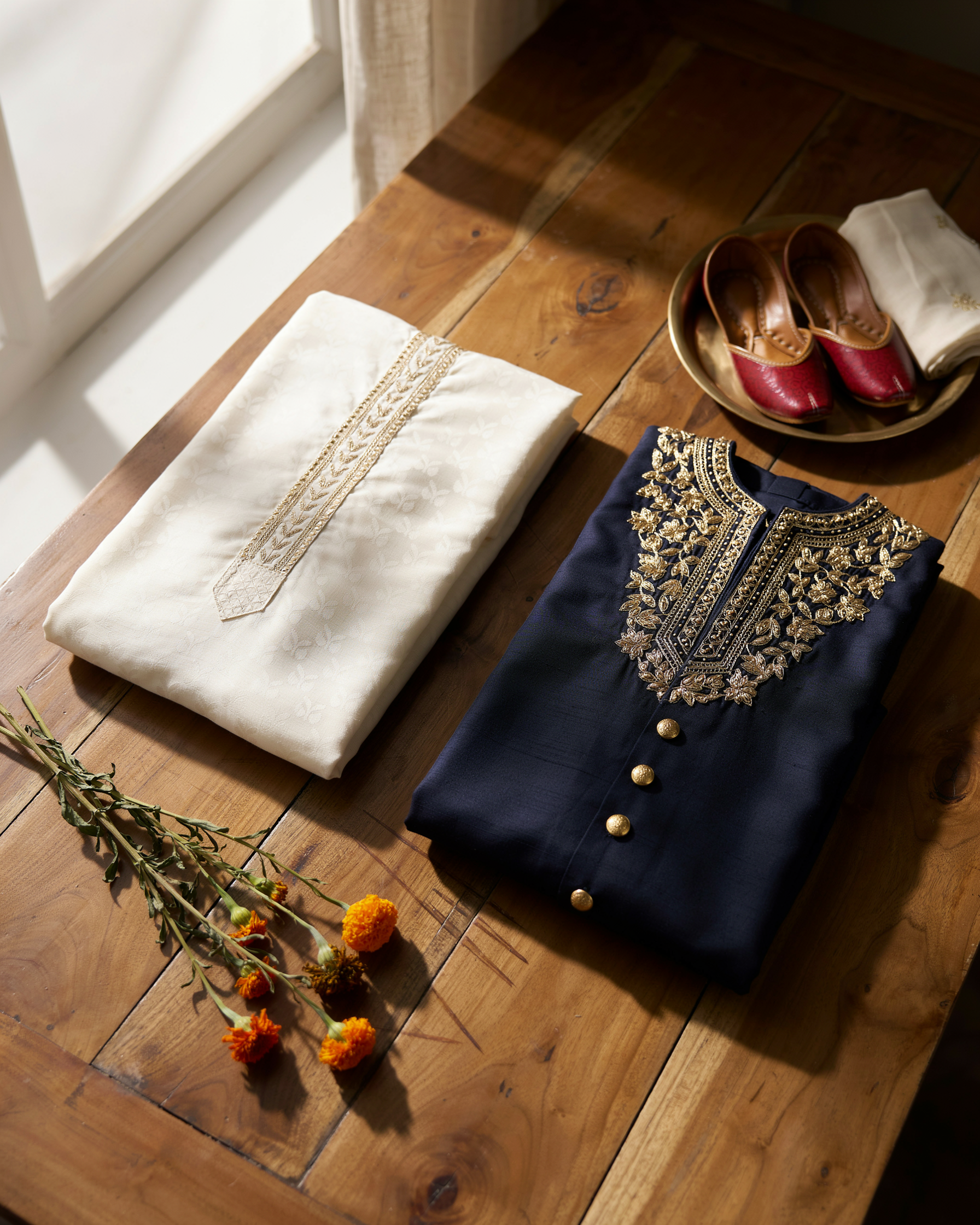
Shalwar kameez vs sherwani comes down to formality: a shalwar kameez suits daytime events, casual gatherings, and Eid prayers, while a sherwani fits weddings, receptions, and evening ceremonies. Grooms often choose the sherwani for the main event and keep a shalwar kameez for the mehndi or dholki. Both are staples of Pakistani formal wear, and the right pick depends on the occasion's dress code and your role in it.
Key Takeaways
- A shalwar kameez is a tunic and trouser set that works for Eid, family dinners, and daytime wedding events.
- A sherwani is a long, structured coat worn over a kurta, reserved for weddings, receptions, and formal evening occasions.
- The main difference between the two is structure, length, and formality, not cultural significance.
- For a Pakistani wedding, grooms usually wear a sherwani for the nikkah or baraat and a shalwar kameez for pre-wedding events.
- Raja Jee Garments stocks both styles, so you can compare fits and fabrics in one place before deciding.
What Is a Shalwar Kameez?
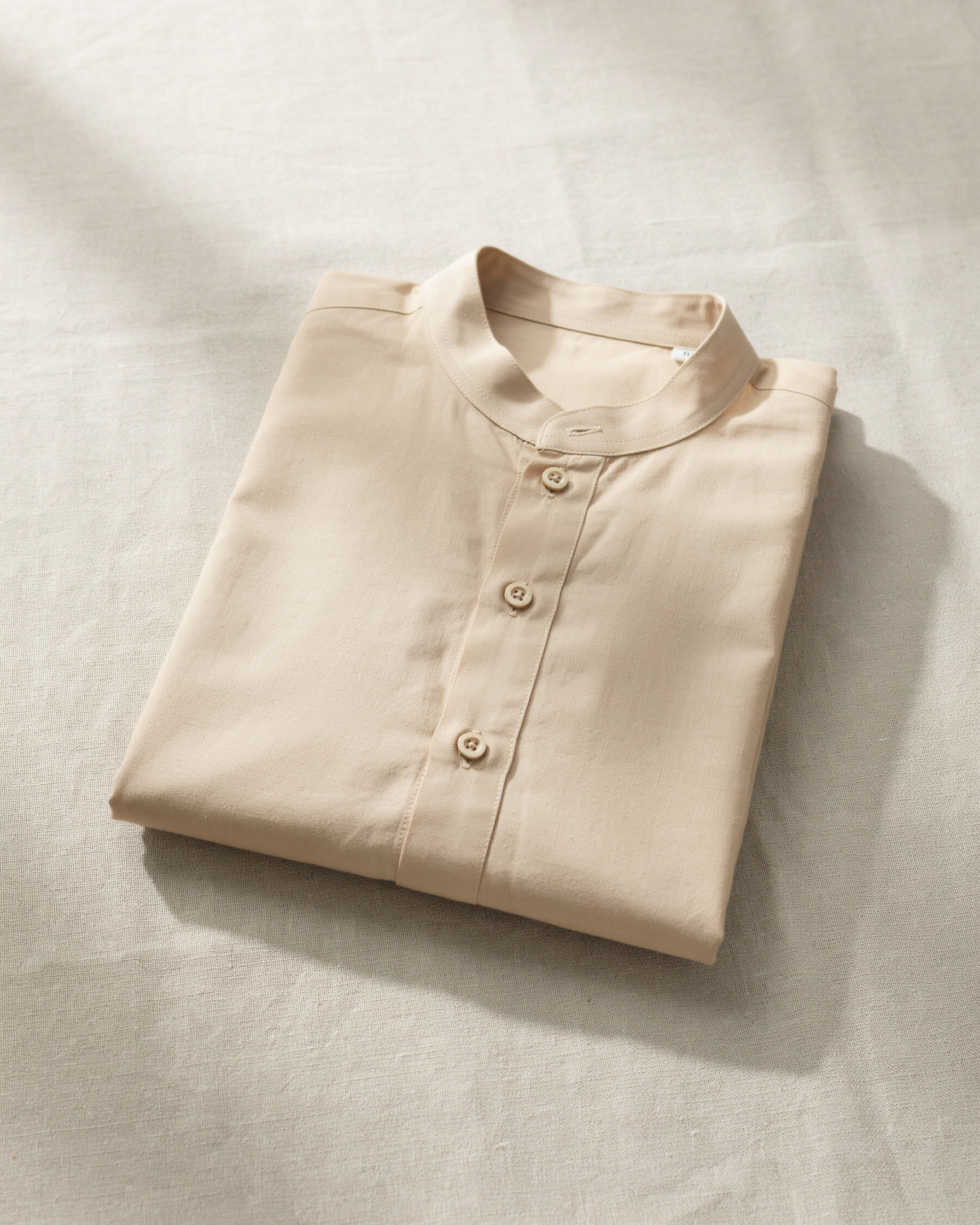
A shalwar kameez is a two-piece outfit made up of a long tunic called the kameez and loose, tapered trousers called the shalwar. The kameez falls to the knee or lower, with side slits that make walking and sitting easy. The shalwar is roomy at the top and narrows at the ankle, which keeps the whole outfit breathable in warm weather. It is the most common traditional men's outfit choice across Pakistan, worn daily by millions and dressed up for weddings, Eid, and formal gatherings.
Most shalwar kameez styles are cut from cotton or cotton blends for everyday wear, while wedding versions use richer fabrics like jamawar, karandi, or embroidered wash-and-wear. A waistcoat is often added over the kameez for a sharper look, and that combination works for everything from Friday prayers to a family dinner. The drawstring or elasticated waist on the shalwar means the fit stays comfortable through long events, and the loose silhouette hides nothing while still looking neat.
Our Shalwar kameez collection covers both ends of that range, from plain everyday sets to embroidered pieces built for wedding season. The key contrast with a sherwani starts here: a shalwar kameez is a two-piece outfit you can wear on an ordinary Tuesday, while a sherwani is a structured coat-style garment reserved for the biggest occasions. That everyday versatility is why most men own several shalwar kameez sets before they ever buy their first sherwani.
What Is a Sherwani?
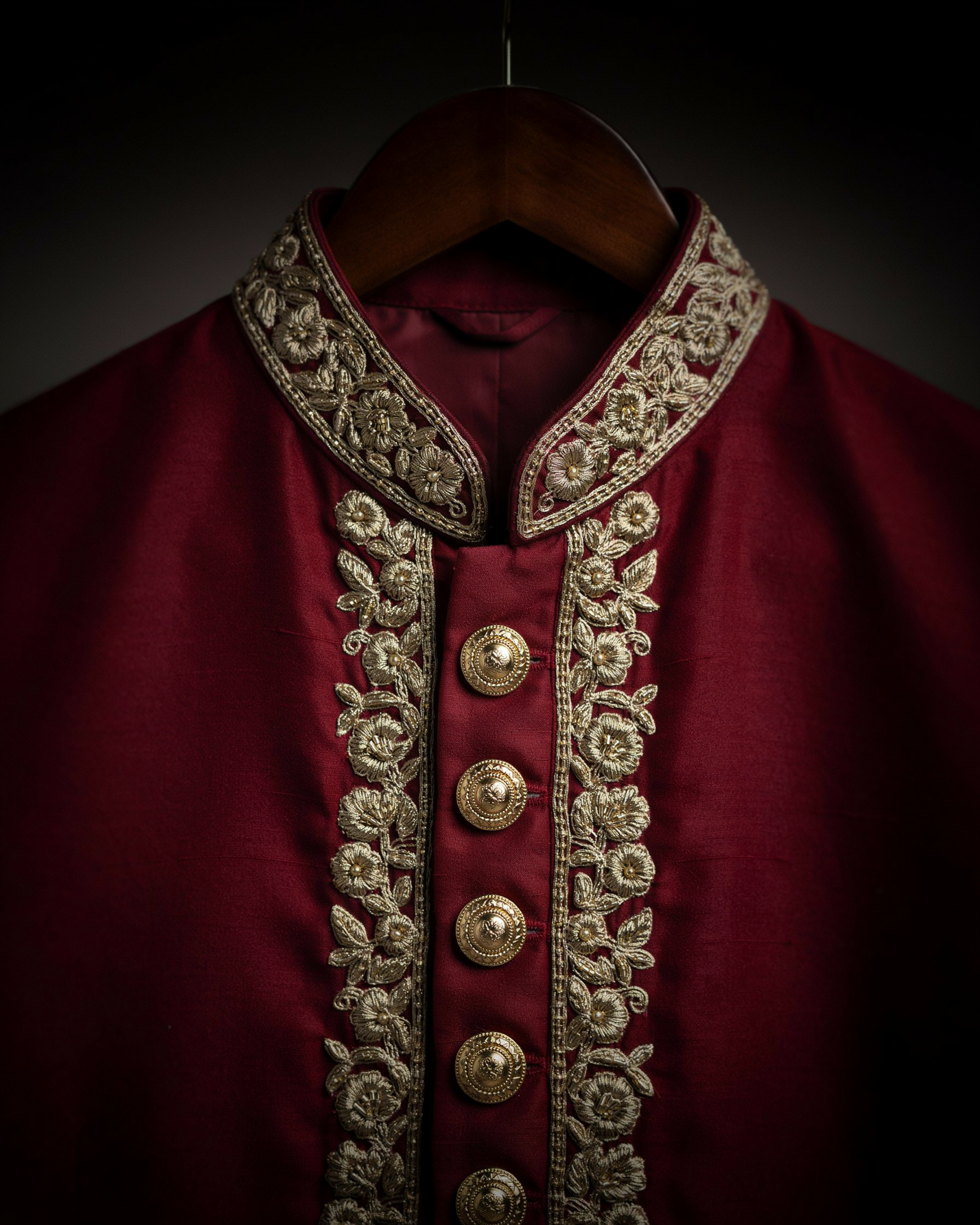
A sherwani is a long, structured coat that falls below the knee, worn over a kurta and often paired with churidar trousers. Its fitted shoulders, high collar, and buttoned front give it a regal, almost military silhouette, which is why grooms reach for it on the biggest day of their lives. The Sherwani collection at Raja Jee Garments shows how the garment holds its shape through reinforced seams and a heavier fabric weight than everyday kameez.
Most sherwanis close with buttons down the front and feature a mandarin or band collar that frames the neck. Embroidery, zardozi work, or subtle tonal thread patterns usually run along the placket and cuffs. That ornamentation is the point: a sherwani is designed to be photographed, to catch light, and to signal that the wearer is not a guest but the center of the event.
You will see sherwanis most often at weddings, engagement ceremonies, and formal receptions. Grooms in Pakistan and across the diaspora pair them with a turban or a karakul cap, and the look reads as ceremonial without needing much else. The coat itself does the heavy lifting.
One practical note: a sherwani is heavier and warmer than a shalwar kameez, so an outdoor summer event can feel long. That trade-off is part of the Raja Jee Garments conversation we have with customers, because the right fabric weight changes the experience entirely.
The Difference Between Shalwar Kameez and Sherwani
The difference between shalwar kameez and sherwani comes down to structure, formality, and how each garment sits on the body. A shalwar kameez is a two-piece outfit: a long tunic called the kameez paired with loose, tapered trousers called the shalwar. A sherwani is a long, structured coat worn over a kameez or kurta, usually with fitted trousers or churidar. One is a complete outfit on its own. The other is a layering piece that turns a simple base into formal wear.
Fit is the first thing you notice. A shalwar kameez hangs loose and breathes, which makes it comfortable for long hours at a wedding or Eid gathering. A sherwani is tailored through the chest and shoulders, with a stiffer front panel that holds its shape even when you are sitting. That structure is why a sherwani reads as more formal, while a shalwar kameez can shift from casual daytime wear to semi-formal evening wear depending on the fabric and embroidery.
| Feature | Shalwar Kameez | Sherwani |
|---|---|---|
| Fit | Loose and relaxed | Tailored and structured |
| Formality | Casual to semi-formal | Formal to ceremonial |
| Occasions | Daily wear, Eid, family gatherings | Weddings, engagements, stage events |
| Styling | Worn alone or with a waistcoat | Worn over kameez with churidar or trousers |
| Movement | Easy, unrestricted | More restricted through the arms |
Occasion drives the choice. A Shalwar kameez works for a daytime nikkah, a Friday prayer gathering, or a family dinner where you want to look put together without overdressing. A Sherwani belongs at the main wedding event, a valima reception, or any stage moment where you are the center of attention. Styling follows the same logic: a shalwar kameez pairs naturally with a waistcoat for added polish, while a sherwani is the statement piece itself and needs little more than a pocket square or a turban to complete the look.
Cost and care also differ. A well-made shalwar kameez is generally more affordable and easier to maintain, since the loose cut hides minor creases and the fabric is often washable. A sherwani costs more because of the tailoring, the heavier fabric, and the embroidery work, and it usually needs dry cleaning. Neither is better in the abstract. The right pick depends on the event, the dress code, and how much structure you want on your shoulders.
What to Wear to a Pakistani Wedding
Pakistani weddings run across several events, and the dress code shifts with each one. A groom usually wears a Sherwani for the baraat and nikah, often in ivory, gold, or deep maroon with embroidery. Guests lean toward a crisp Shalwar kameez for daytime functions like the mehndi, where lighter cotton and pastel tones feel right.
Family members sit somewhere between the two. Fathers and brothers of the groom frequently choose a waistcoat over their shalwar kameez to signal formality without matching the groom's sherwani. The waistcoat adds structure, and it's an easy way to dress up a standard outfit for the valima dinner.
For the reception, darker colors and richer fabrics work best. A black or navy shalwar kameez with subtle embroidery holds its own at an evening event, and it's far easier to move in during the long dinner and photo sessions. If you're part of the wedding party, ask the family about the color palette first, because matching the theme matters more than any single rule.
At Raja Jee Garments, we stock wedding-ready pieces across the formality range, from embroidered waistcoat sets to full sherwanis, so you can cover every event without renting or borrowing. The key is to match the outfit to the event's time of day and your role in the ceremony.
When a Shalwar Kameez Is the Better Choice
Eid mornings, daytime weddings, and casual family gatherings all favor the shalwar kameez. The loose shalwar trousers and breathable kameez tunic move with you through long prayers, crowded living rooms, and outdoor seating. A sherwani's structured silhouette feels heavy by mid-afternoon; a well-cut shalwar kameez stays comfortable from dawn to dusk.
Hot weather is the clearest signal. Cotton and cotton-blend shalwar kameez suits let air circulate, which matters in Karachi's humidity or a Lahore summer wedding. We recommend lighter colors for daytime events: white, ivory, soft beige, or pastel tones reflect heat and photograph well in natural light. Pair them with leather sandals or khussa for a relaxed but polished look.
For Eid prayers and casual gatherings, skip the waistcoat and keep the outfit simple. A crisp kameez with tailored shalwar reads respectful without feeling overdressed. If the event leans semi-formal, add a waistcoat in a contrasting shade. Our Black Shalwar Kameez for Men, Traditional Outfit works well as a base for both approaches, since black pairs easily with almost any waistcoat color.
Styling tips that make a difference: press the kameez collar so it sits flat, choose shalwar with a fitted ankle cuff rather than a wide flare, and match your footwear to the formality level. A shalwar kameez also travels better than a sherwani, which matters when you're flying in for a wedding or packing for Eid at a relative's house.
When a Sherwani Is the Better Choice
Evening receptions, valima dinners, and high-ceremony events call for a sherwani. The long structured coat reads formal in a way a shalwar kameez rarely does, especially under ballroom lighting or in wedding photography. If the invitation says black tie or formal, the sherwani is the safer traditional men's outfit choice.
The groom's outfit is the clearest case. A sherwani gives the ceremony its visual anchor, and it photographs beautifully next to the bride's lehenga or gharara. We see grooms pair a White Sherwani for Men | Traditional Wedding Wear with a turban and khussa for the nikkah, then switch to a darker tone for the reception. That two-look approach works because the sherwani carries the formality of the day without needing much else.
High-ceremony occasions like engagement parties, milad gatherings, and Eid morning prayers also favor the sherwani. The structured shoulders and front buttons give a cleaner silhouette in group photos, and the heavier fabric holds its shape through hours of standing and greeting guests. For anyone asking what to wear to Pakistani wedding events where you are part of the main family, the sherwani answers the question before you have to ask it.
Pakistani Formal Wear Comparison: Comfort, Cost, and Care
Comfort is where the two outfits split most clearly. A shalwar kameez gives you a loose, breathable fit that moves with you through hours of seating, standing, and greeting relatives. The drawstring waist and open collar mean you can adjust it on the fly. A sherwani is more structured, with a fitted chest, high collar, and longer hem that restrict movement slightly. You'll feel the difference after four hours at a wedding reception.
Price tells a similar story. A well-made shalwar kameez from Raja Jee Garments typically costs less than a comparable sherwani because it uses less fabric and simpler construction. A Sherwani often carries embroidery, inner lining, and hand-finished details that push the price up. Neither is a bad investment, but your budget decides which one makes sense for a single event.
Care is the practical tiebreaker. Shalwar kameez sets are usually machine-washable on a gentle cycle, though we recommend cold water and air drying to protect the fabric. Sherwanis need dry cleaning because of the lining and embellishments, which adds cost and turnaround time before every wear. If you attend several functions a year, that maintenance difference compounds quickly.
For a middle-ground option, the Navy Blue Embroidered Shalwar kameez with Waist coat for Men | Formal gives you the comfort of a shalwar kameez with the layered, dressed-up look of a sherwani. The waistcoat adds structure without the full sherwani's weight, and the embroidery reads formal enough for most wedding settings. It's the choice we point groomsmen toward when they want polish without dry-cleaning bills.
Traditional Men's Outfit Choice: How to Decide
Choosing between a shalwar kameez and a sherwani comes down to three practical questions: what kind of event is it, what time of day, and how much attention you want on yourself. A daytime nikkah, a casual Eid lunch, or a family dinner almost always calls for a well-fitted shalwar kameez. A nighttime baraat, a valima reception, or your own wedding day usually calls for a sherwani. Time of day matters because sherwanis read formal and heavy under afternoon sun, while a crisp shalwar kameez looks effortless from morning through evening.
Personal style is the tiebreaker. If you like clean lines and easy movement, a shalwar kameez with a waistcoat gives you structure without stiffness. If you enjoy standing out and don't mind the extra weight, a sherwani delivers that. We see this at Raja Jee Garments all the time: grooms who want one outfit for the whole wedding weekend often pick a shalwar kameez for daytime events and a sherwani for the main evening function. That split covers every photo, every greeting, and every meal without forcing a single garment to do two jobs.
Budget and rewear potential also shape the decision. A shalwar kameez gets worn again for Friday prayers, family gatherings, and Eid. A sherwani tends to stay in the wardrobe between formal events. If you'll attend two or three weddings this year, owning both makes sense. If this is your only major event, pick the one that matches the invitation's formality and your own comfort. No wrong answer exists, only the right outfit for the specific day.
Styling Tips for Both Outfits
Accessories change the whole feel of either garment. A shalwar kameez looks sharp with a simple pocket square and a leather watch, while a sherwani calls for a turban, a brooch, or a dupatta draped over one shoulder. Keep the metal tones consistent: gold buttons with gold cufflinks, silver with silver.
Footwear matters more than most men expect. Traditional khussa or Peshawari chappal pairs well with both outfits, but a polished loafer works for indoor receptions. Avoid trainers entirely, even for a daytime nikah.
Layering gives you options across the event. A waistcoat over a shalwar kameez adds structure for the main ceremony, and you can remove it for the dinner. The Men's Black Shalwar Kameez with Waistcoat, Pakistani Traditional Outf already includes that layer, so the outfit works from baraat to valima without a change. For a sherwani, an inner waistcoat keeps the front from gaping when you sit.
Fit is the quietest styling win. Sleeves should end at the wrist bone, and the shalwar should break once over the shoe. A sherwani looks best when it skims the body without pulling at the buttons.
Frequently Asked Questions
Which is more formal, shalwar kameez or sherwani?
A sherwani is the more formal garment. The long structured coat, often with embroidery and a mandarin collar, reads as ceremonial. A shalwar kameez can be formal too, especially with a waistcoat, but it stays closer to everyday elegance. For a black-tie equivalent, the sherwani wins.
Can I wear a shalwar kameez to a wedding?
Yes, and many guests do. A well-fitted shalwar kameez with a waistcoat and khussa shoes fits most Pakistani weddings comfortably. Grooms usually reserve the sherwani for the main ceremony, but guests look sharp in a tailored shalwar kameez, particularly for mehndi or walima events.
Which is better for the groom?
Most grooms choose a sherwani for the nikah or baraat because it photographs with more presence and holds heavy embellishment well. A shalwar kameez works better for the dholki or a smaller reception. The groom's choice often depends on the venue and how many outfit changes the family plans.
Can I wear a sherwani without a shalwar?
Traditionally the sherwani pairs with a churidar or slim shalwar, not trousers. Some modern cuts work over straight pants, but the classic silhouette needs the tapered leg. If you want the full traditional look, keep the churidar underneath.
What is the price difference between the two?
A sherwani usually costs more because of the extra fabric, longer tailoring time, and embroidery work. A quality shalwar kameez can be affordable, while a heavily worked sherwani climbs quickly. At Raja Jee Garments, both options come in a range that suits different budgets.